Virtues: The Keys To Perfection
17/8/2020
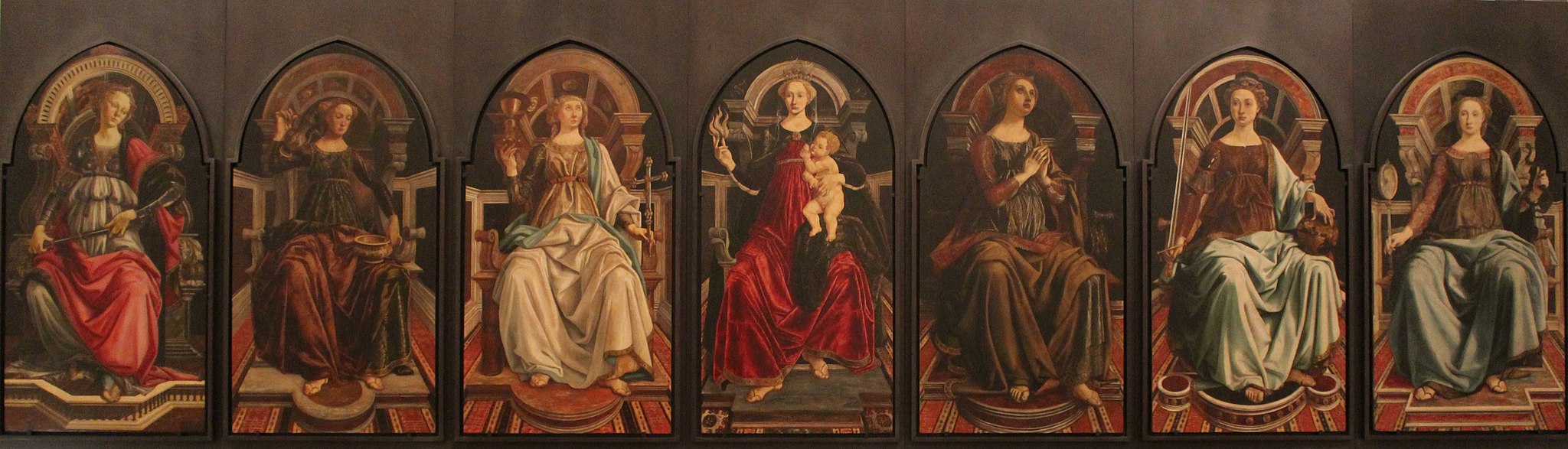
'Virtue' is not a word that is stranger to us, especially Christians. We are often taught to live out virtues in our lives, and to stay away from vices. But what does it really mean? According to the CCC 1804, human virtues are "firm attitudes, stable dispositions, habitual perfections of intellect and will that governs our actions, orders our passions, and guide our conduct according to reason and faith". To be virtuous is to be fully love, just as God fully loves.
In our faith, the Church specifies three theological virtues, faith, hope and charity, which main purposes are to participate in the divine nature of God, share in the divine love of the Holy Trinity, become God's children, and merit eternal life. The second category, cardinal virtues, are gained through education and human effort with the help of grace. They are prudence, justice, fortitude and temperance, which plays a pivotal role as all the others are grouped around them.
Let's break them down:
1. Faith, the core of everything
- "The theological virtue by which we believe in God and believe all that he has said and revealed to us, and that Holy Church proposes for our belief, because he is truth itself. By faith, man freely commits his entire self to God. For this reason the believer seeks to know and do God's will."
—CCC1814 - "Faith is the assurance of things hoped for, the conviction of things not seen."
—Hebrew 11:1 - "Before this can be exercised, man must have the grace of God to move and assist him, who opens the eyes of the mind and makes it easy for all to accept and believe the truth."
—CCC 153 - "An entirely free gift that God makes to man. We can lose this priceless gift... To live, grow and persevere in the faith until the end, we must nourish it with the word of God; we must beg the Lord to increase our faith; it must be working through charity, abounding in hope, and rooted in the faith of the Church."
—CCC162 - "The disciple of Christ must not only keep the faith and live on it, but also profess it, confidently bear witness to it, and spread it."
—CCC1816
2. Hope, the conduit of happiness
- "The theological virtue by which we desire the kingdom of heaven and eternal life as our happiness, placing our trust in Christ's promises and relying not on our own strength, but on the help of the grace of the Holy Spirit."
—CCC1817 - "The virtue of hope responds to the aspiration to happiness which God has placed in the heart of every man; it takes up the hopes that inspire men's activities and purifies them so as to order them to the Kingdom of Heaven; it keeps man from discouragement; it sustains him during times of abandonment; it opens up his heart in expectation of eternal beatitude. Buoyed up by hope, he is preserved from selfishness and led to the happiness that flows from charity."
—CCC1818 - "The one who has hope lives differently; the one who hopes has been granted the gift of a new life."
—Pope Benedict XVI, Spe Salvi #2 (Saved in Hope)
3. Charity, the source of life
- "The theological virtue by which we love God above all things for his own sake, and our neighbor as ourselves for the love of God." (Cf. Matthew 22:37-39)
—CCC1822 - "As the Father has loved me, so I have loved you; remain in my love. You will remain in my love if you keep the commandments." (Jn 15:9) We are invited to look at this not as a "must do" but rather to understand that when we are filled with God's love, we will naturally be able to pour it out to others and live out the commandments as a response to this gift of love.
- "Now these three remains: faith, hope and love. But the greatest of these is love." (1 Cor 13:13) St. Paul was trying to explain here that although these three virtues are important, at the end of our lives, when all is said and done, we no longer have to rely on faith and hope but to really just hold on to Love.
- "It is the source and the goal of their Christian practice. Charity upholds and purifies our human ability to love, and raises it to the supernatural perfection of divine love."
—CCC1827 - "Being Christian is not the result of an ethical choice or a lofty idea, but the encounter with an event, a person, which gives life a new horizon and a decisive direction."
—Pope Benedict XVI, Deus Caritas Est #1 (God is Love); also cited in Evangelii Gaudium #7
4. Prudence
- "The virtue that disposes practical reason to discern our true good in every circumstance and to choose the right means of achieving it."
—CCC1806 - A prudent act consist of: (i) deliberation - collecting all information from others, (ii) judgement - of self good, family good, society/community good, against the evil one, and (iii) execution - don't overthink once good consideration is made.
- It is not to be confused with timidity or fear, nor with duplicity or dissimulation. More than that, prudence guides other virtues by setting rule and measure. It immediately guides the judgment of conscience, which then directs the conduct. With the help of this virtue, we apply moral principles to particular cases without error and overcome doubts about the good to achieve and the evil to avoid.
5. Justice
- "The moral virtue that consists in the constant and firm will to give their due to God and neighbor."
—CCC1807 - It is the consistent giving of what is rightfully God's through worship and adoration, which then flows to neighbour through the treatment of equity, in fairness and impartiality, so that their God given dignity might be upheld and all have the chance of becoming their best selves.
6. Fortitude
- "The moral virtue that ensures firmness in difficulties and constancy in the pursuit of the good. It strengthens the resolve to resist temptations and to overcome obstacles in the moral life. The virtue of fortitude enables one to conquer fear, even fear of death, and to face trials and persecutions."
—CCC1808 - This virtue also speaks about magnanimity (large-mindedness) in having a vision for our goals, pondering great things that we are inspired to pursue, inspired to reach for them while enduring difficulties, and going for things that are great, honorable, virtuous and worthwhile.
- We respond to God's call not just for my life but for others. Our lives are always in service of the other. A question to ask ourselves is this: does it stretch me to move out of what is comfortable?
7. Temperance
- "The moral virtue that moderates the attraction of pleasures and provides balance in the use of created goods. It ensures the will's mastery over instincts and keeps desires within the limits of what is honorable."
—CCC1809 - St. Thomas Aquinas defines the opposite of temperance, which are intemperance, insensibility and over-indulgence, as the most disgraceful of vices because it makes man a slave to his bodily cravings and weakens the control of reason.
- Some virtues that are related to temperance are abstinence, sobriety, chastity, purity, continence, humility, meekness and modesty.
*For further reading on the virtues, I recommend reading Summa Thelogiae which is written by St. Thomas Aquinas.


Comments
Post a Comment